

How Prior Authorization Automation Improves Speed, Efficiency and Accuracy
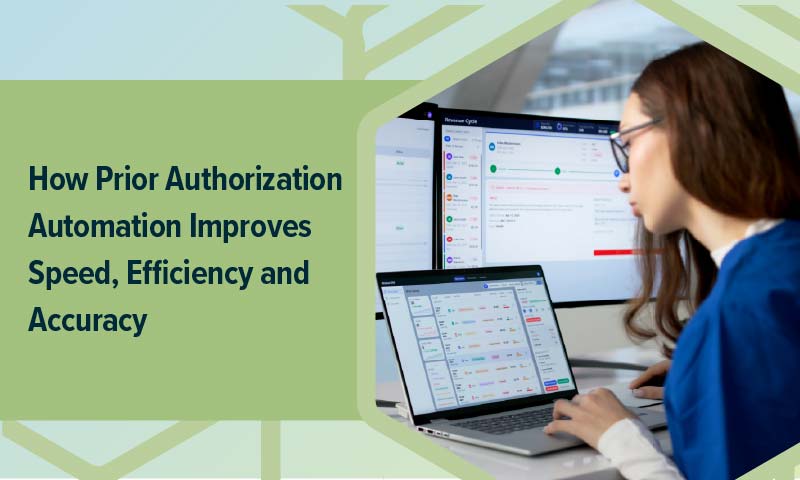
Prior authorization remains one of the most time-consuming administrative tasks in healthcare. When a medication is scheduled for a patient or a diagnostic test is approaching its service date, delays in authorization can disrupt care.
Before patients can receive certain medications, procedures, diagnostic tests and treatments, providers must work through varying payer requirements, gather clinical documentation, submit requests and track decisions. When those steps depend on manual work, delays and errors can affect patient access to care and add pressure to administrative teams that are already stretched.
Prior authorization automation addresses these problems by handling repetitive tasks, organizing information and moving requests through established workflows. The goal is not to remove people from the process. It is to give them better tools so they can work faster, make informed decisions and focus on the cases that need them.
At careviso, automation is built to support the people who manage prior authorization, pairing purpose-built technology with human expertise across the patient access process.
By automating key steps while keeping people involved where their expertise is needed, healthcare teams can improve speed, efficiency and accuracy without losing the oversight required to manage complex authorization workflows.
What Is Prior Authorization Automation?
Prior authorization automation uses technology to handle the administrative steps involved in getting payer approval for a service, medication or treatment. Depending on the workflow, that can include:
- Identifying whether authorization is required
- Gathering and organizing relevant information
- Supporting request submission
- Tracking authorization status
Done manually, these steps mean repeated phone calls, portal searches, data entry and follow-ups with multiple parties, and each one is a chance for an error or a delay to care.
Automation takes on the repeatable work and keeps information moving consistently between systems and teams, so requirements surface earlier, redundant work drops and staff can see where each request stands. Depending on the workflow, this automation may rely on rules-based technology, AI or a combination of approaches, allowing healthcare teams to improve efficiency without requiring AI adoption across every step.
Why Prior Authorization Automation Matters
Prior authorization is rarely a single transaction. Requirements vary by payer, service and patient coverage, which makes a standardized manual process hard to maintain and creates burdens when key personnel are unavailable. According to the American Medical Association’s 2024 survey, physicians and their staff spend an average of 13 hours per week completing prior authorizations.
When information is missing or requirements are unclear, staff may revisit a case several times before it moves forward, delaying scheduling, creating uncertainty for patients and potentially postponing needed treatment. These delays can also require additional communication between providers and patients as teams work to resolve outstanding requirements.
The impact reaches beyond clinical office burden. Authorization delays can postpone scheduled services, diagnostic testing and treatment. In careviso’s 2024 Healthcare Transparency Survey, 51% of respondents reported experiencing delays or denials involving medical procedures, lab work or pharmacy benefits due to prior authorization issues at least some of the time. Limited visibility into coverage and status also makes it harder for providers to set expectations with patients and plan next steps.
Automation helps on each front. Identifying requirements earlier reduces last-minute complications, consistent data handling cuts avoidable errors and automated status tracking reduces manual follow-up. For organizations handling high volumes of requests, that adds up to better use of staff time and a more predictable patient access process.
How Automation Improves Speed, Efficiency and Accuracy
Speed
Manual workflows depend on staff finding information across multiple systems and contacting payers to confirm requirements or check status. At high volumes, these activities become bottlenecks.
Automation can shorten the time staff spend preparing and submitting authorization requests by streamlining information retrieval, identifying requirements and supporting electronic submission for standard requests. While automation does not change how long payers take to make a decision, it can reduce administrative delays before submission and give staff more time to focus on exceptions and cases that need attention.
Earlier visibility into requirements also helps providers spot obstacles before a scheduled service is affected.
Efficiency
Much of an administrative team's day goes to tasks that don't require a new decision each time: entering the same data into multiple systems, checking payer portals and following up on pending requests.
Automation can simplify these routine steps by, for example, transferring patient and insurance information between systems or tracking authorization status without requiring staff to repeatedly check payer portals. This reduces the number of times a case changes hands and helps staff work from consistent information while stepping in where intervention is needed.
It also helps organizations absorb growing workloads without relying only on additional headcount.
Accuracy
Incomplete information, incorrect data or missed payer requirements lead to rework and further delays.
Automation applies established workflow rules, organizes relevant information and reduces repetitive data entry. It can also flag missing information or potential issues early, such as a missing clinical note or an incomplete diagnosis code, giving staff time to resolve them before they cause delays. This helps ensure payers receive the information needed to make determinations. This ensures payers receive all required information and enables them to make determinations.
Technology is not a substitute for clinical judgment or payer decision-making. Its role is to give the people responsible for the process more complete information and a clearer view of what comes next.
Why Human Oversight Still Matters
Effective prior authorization combines technology with human expertise. The work requires an understanding of payer requirements, clinical documentation, operational priorities and the circumstances behind each request.
Automation suits repetitive, rules-based activities, but not every case follows the same path. For example, a prior authorization request may be delayed because a payer needs additional clinical documentation or clarification from the ordering provider. Resolving these exceptions can require repeated follow-ups and coordination across teams, taking time away from routine requests that could otherwise move forward automatically.
By automating standard cases, staff can focus their attention on requests that require additional review or direct intervention.
Keeping people involved lets organizations apply automation where it adds the most value while maintaining oversight of complex cases. Technology moves the work forward. People keep control of the decisions, judgment, and the actions that need them.
For careviso, that distinction is crucial: automation should support the people driving the process, not replace them.
How careviso Uses Automation in Prior Authorization
careviso's seeQer platform helps specialty pharmacy, diagnostic and lab providers manage complex patient access and authorization workflows. It combines automation with healthcare-specific data intelligence and operational expertise to reduce manual work and improve visibility into coverage, requirements and authorization activity.
Rather than treating prior authorization as an isolated task, seeQer supports the broader process of understanding what is required before a service is delivered. Its connected capabilities include:
- Prior authorization eligibility detection identifies early whether a service requires authorization, reducing uncertainty during scheduling and helping staff prepare for next steps.
- Prior authorization processing supports submission and tracking across payers, reducing manual follow-up and keeping pending cases visible so teams can focus on requests that need intervention.
- Eligibility and benefits verification accounts for the specific test or medication being ordered, then cleans and structures messy front-end data so it is usable well before a claim is filed.
- Patient cost responsibility provides estimated out-of-pocket costs so providers can discuss financial responsibility with patients before treatment begins.
Together, these capabilities connect information that would otherwise sit in separate workflows, so teams spend less time reconciling data and more time on the cases that need their expertise.
Moving Forward With Prior Authorization Automation
Faster processing matters, but it is only part of the picture. Organizations also need accurate information, visibility into outstanding requirements and the ability to step in when a case stalls. By pairing automated workflows with human oversight, healthcare teams can reduce administrative effort, improve consistency and identify delays earlier without giving up the judgment and accountability that complex cases require.
When requirements are identified earlier and delays shrink, providers are better positioned to explain next steps and coordinate care. careviso brings this approach to patient access through seeQer, automating complex workflows while keeping people at the center of the process.
To see how careviso can improve your prior authorization workflows, schedule a seeQer demo.

Discover how seeQer informs patients and transforms practice.
Schedule a seeQer demonstration of benefits verifications, cost assessments, and other essential tasks in the platform. Learn how seeQer can help your organization reduce administrative burden, transform cumbersome processes, and provide transparency that empowers patients in a complex and ever-changing industry.